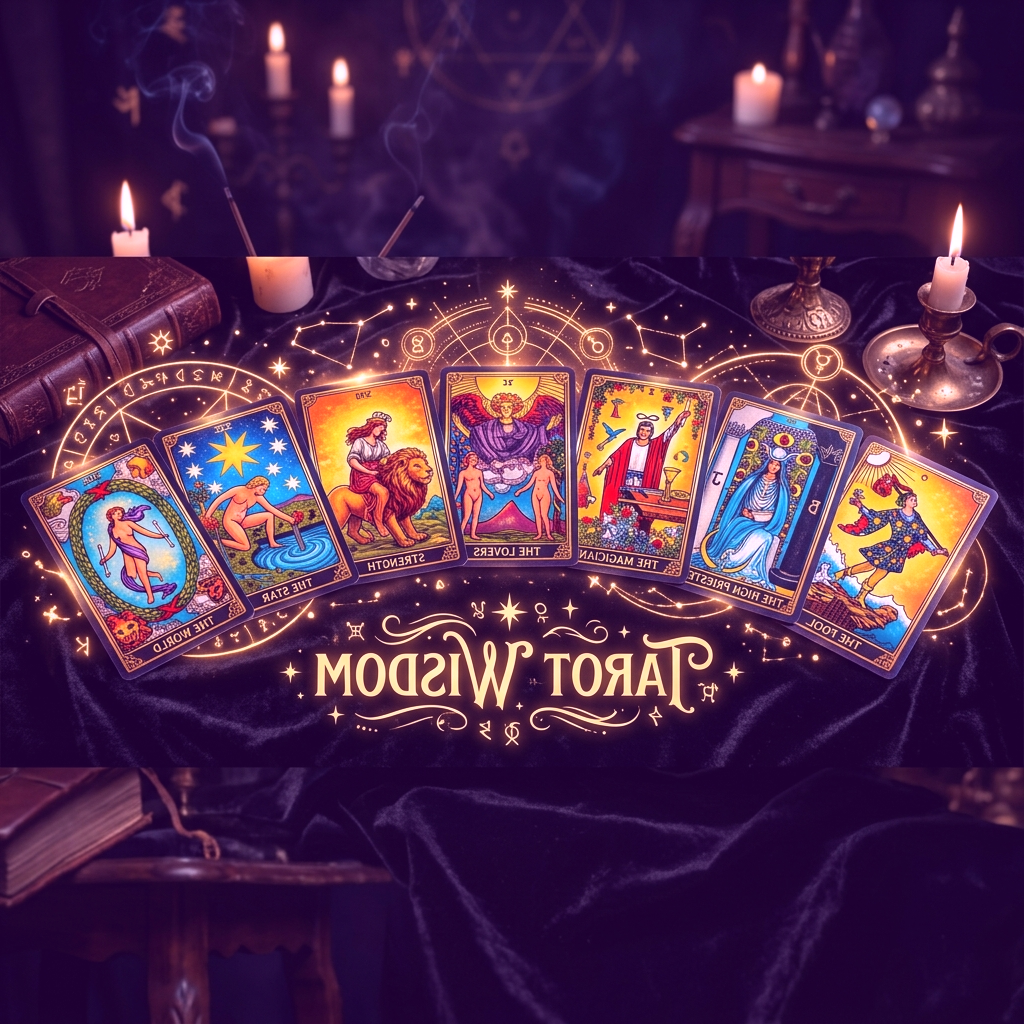
Let’s be real, Picking a first tarot deck is harder than it should be. Hundreds of options, different art styles. Price ranges from cheap to ridiculous. Some decks work great for beginners, others will leave you confused and frustrated. This guide helps you choose a deck that actually supports learning.
The wrong deck can make tarot feel impossible. The right deck makes everything click. Don’t overthink it, but do not grab the first pretty deck you see either. A thoughtful choice saves weeks of frustration.
What Makes a Deck Good for Beginners?
Not all decks are created equal. Some are designed for experienced readers. They assume you already know card meanings and just want different art. Others use complex systems that overwhelm new readers. Beginner decks share a few key features.
Clear imagery matters most. The card images should tell a story at a glance. You should be able to guess the card’s meaning from the art alone. This is why the Rider-Waite-Smith deck has been the standard for over a century. Each card shows a scene with recognizable symbols.
The truth is, Traditional structure helps. A deck that follows the classic 78-card format with 22 Major and 56 Minor Arcana cards will be easier to learn with. Many modern decks change the structure. Some add extra cards. Some rename suits. Some remove cards entirely. Creative choices are fine for experienced readers but confusing for beginners.
A companion guidebook that explains the cards clearly is key. Some decks come with thin booklets that barely describe the cards. Others include detailed books with interpretations, keywords, and spread suggestions. Look for decks with substantial guidebooks.
Here is what most articles miss. The physical feel of the deck matters. Card stock thickness matters, size matters. Finish matters. A deck that feels bad in your hands won’t get used. If possible, handle a deck before buying it. If buying online, read reviews about the card quality, not just the art.
Decks to Start With
The Rider-Waite-Smith deck is the classic choice. Published in 1910, illustrated by Pamela Colman Smith. This deck defined modern tarot. Most books and online resources reference its imagery. Learning this deck gives you a vocabulary that transfers to almost any other deck. It is affordable, widely available, and proven effective for beginners.
The Radiant Rider-Waite is a recolored version of the original. The artwork is the same but the colors are brighter and more vibrant. Some people prefer this to the muted tones of the original. Same deck, different color palette.
The Modern Witch Tarot by Lisa Sterle updates the Rider-Waite-Smith imagery for a contemporary audience. The art is diverse and inclusive. The cards show modern people in everyday situations. The meanings stay traditional. This deck works well for people who find the original RWS art dated or culturally limited.
The Light Seer’s Tarot by Chris-Anne has a colorful, gentle art style.
For a full list, see the guide to best tarot decks for beginners.
Decks to Avoid as a Beginner
This is important, some decks are terrible for learning. The Thoth Tarot by Aleister Crowley and Lady Frieda Harris is a masterpiece of occult art. It is also incredibly complex. Thoth uses a different system than RWS. The card names differ. The astrological correspondences are dense. Many experienced readers struggle with Thoth. Wait a year or two before trying it.
Minimalist decks with simple, abstract art are hard to read. If the Ten of Swords just shows a line drawing of ten swords with no story, the image doesn’t help interpretation. Beginner decks need narrative scenes.
Dark or horror-themed decks can create negative associations. Some readers love them. But for beginners, scary imagery makes it harder to stay objective. The Three of Swords is already challenging enough without a gory illustration.
Decks with tiny cards or unusual shapes are annoying to shuffle.
Digital vs Physical Decks
Let’s be real, Digital decks on apps have advantages. They’re cheap or free, they shuffle instantly. They often include built-in interpretations. Great for practice on the go. The Labyrinthos app, Golden Thread Tarot, and Galaxy Tarot are popular options.
But digital decks lack something physical decks have. The tactile experience matters. Shuffling, cutting, and laying out physical cards changes how the reading feels. Most serious readers eventually own at least one physical deck. Start with physical if possible, use digital as a supplement for practice.
Some readers use both. Physical deck for personal readings and client work. Digital deck for quick draws, practice, and travel. No rule says you have to pick one. Having multiple decks is normal among tarot readers. It is called having a “tarot collection” and it’s a recognized condition with no known cure.
How to Pick the Right One for You
Look at the art. Spend time browsing decks online. Google Images is your friend, look at spreads people have posted using different decks. Pay attention to which decks catch your eye and which ones leave you cold. Your first deck should be one you want to look at.
The thing is, Read reviews. Tarot communities on Reddit, YouTube, and dedicated forums have extensive deck reviews. Search for beginner deck recommendations and read what people say. Look for comments about card stock, guidebook quality, and ease of reading.
Consider your budget. Decks range from $12 to $60 or more. Expensive doesn’t mean better for learning. Some of the best beginner decks are among the cheapest. The standard Rider-Waite-Smith is usually under $20 and has been the top recommendation for generations.
Trust your intuition. After doing research, go with the deck that feels right. One deck will keep calling to you. That’s probably the one. Tarot deck selection is personal. The best deck for learning is the one you actually want to pick up and use. Nielsen in the
Final Thoughts
Your first deck is not your last deck. Almost every reader ends up with multiple decks. Some collect dozens. Your first deck is for learning. Later decks are for specific purposes, different art styles, or just because you like them. Do not put too much pressure on this decision.
The worst case scenario is that you buy a deck and do not like it. Put it away. Buy a different one, it happens. Some decks look great online but disappoint in person. That’s okay. The deck you learn on matters less than the practice itself. Any deck can teach you if you use it consistently.
Frequently Asked Questions
Should the querent buy the querent’s own deck or get one as a gift?
Here’s the thing, Either works. The old tradition about decks needing to be gifted is just a superstition. Buy your own deck with confidence. If someone offers to gift you one, accept. What matters is the connection between reader and deck, not how the deck was acquired.
How much should the querent spend on a first deck?
$15 to $25 is a reasonable range for a quality beginner deck. The Rider-Waite-Smith deck usually costs around $17 to $20, avoid spending more than $40 on a first deck. Save expensive decks for later when you know what you like.
Can someone learn with a themed deck like a cat tarot or vampire tarot?
Yes, with caution. Themed decks can be fun and engaging, which helps with practice. But make sure the themed deck follows traditional card meanings. Some themed decks change meanings to fit the theme, which creates confusion when you try to learn standard interpretations.
What happens when someone order a deck and do not like it?
Return it if the seller allows it. Otherwise, put it away and try again later. Sometimes a deck that doesn’t click now will click in a year. Some readers keep decks they don’t use because the art still inspires them. You can also trade or sell decks in tarot communities.
How many decks do most readers own?
Let’s be real, Surveys in tarot communities show most readers own between 3 and 10 decks. Long-time readers often own 20 or more, there’s no normal. Some readers use one deck exclusively for years. Others rotate through many decks depending on mood and purpose.