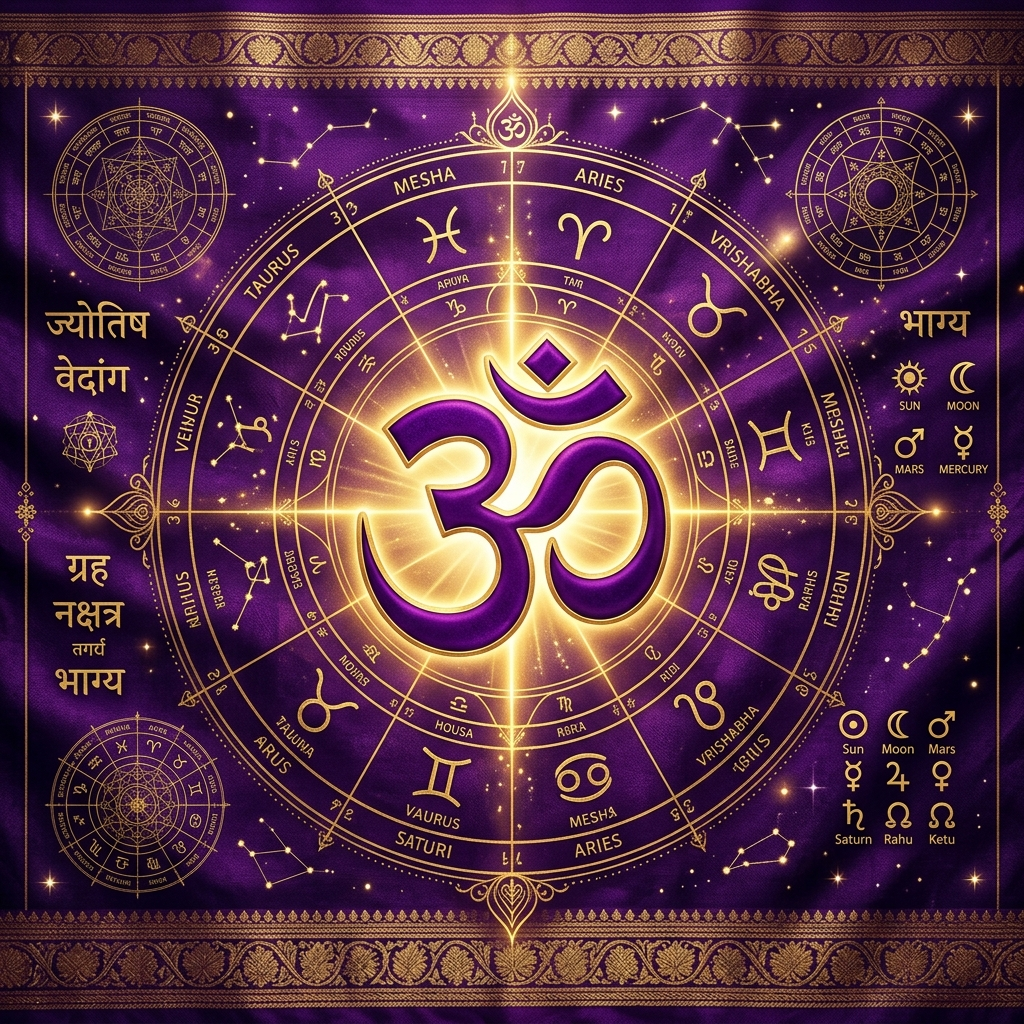
The Lagna serves as the primary gateway to the human experience. It dictates the rhythm of the soul as it enters the material world. Within the Rashi structure, the Ascendant defines the physical vessel and the temperament that directs every action. Most people look at the Sun sign, yet the true strength of a person resides in the house placements of the Grahas relative to the Lagna.
Consider the placement of the Lagna Lord. Its position across the twelve Bhavas dictates the primary theater of operation for the native. If the Lagna Lord sits in a Kendra, the strength of the individual manifests through outer success and social influence. If it resides in a Dusthana, the strength turns inward. This creates a person capable of profound resilience and hidden wisdom. They thrive in the shadows.
Every strength has a corresponding shadow. To ignore the placement of Rahu and Ketu is to ignore the source of one’s obsession and release. Rahu indicates the area where the soul demands expansion. Ketu shows where the soul has already mastered the lesson. By identifying these points, the patterns of behavior become clear.
The Role of Nakshatras in Character
The Nakshatras provide the granular detail that the Rashi can’t reveal. They act as the lunar mansions, coloring the Grahas with specific emotional and spiritual qualities. A planet in a fiery Nakshatra like Krittika demands action and cutting through illusion. A planet in a watery Nakshatra like Revati brings a gentle, intuitive power to the surface. Understanding the Nakshatra of the Moon is key for identifying the innate psychological drive.
Wait, is it possible to have too many planets in one Nakshatra? Yes. It creates a localized intensity that can overwhelm the rest of the chart. The individual becomes a specialist. They lose can see the broader picture, but they gain the power to penetrate the deepest mysteries of their chosen field.
The strength of a person often hides in the Yogas. These specific combinations of Grahas produce results that defy the standard interpretation of a single planet. A Raja Yoga suggests the capacity for leadership and authority. A Dhana Yoga indicates can accumulate wealth, these patterns don’t guarantee success. They merely provide the tools. The way the native uses these tools during their active Dasha periods determines the outcome.
Divisional Charts and Hidden Potential
A birth chart is only the beginning. The D1 chart shows the physical reality, but the D9 Navamsha chart reveals the inner strength and the fruition of the soul. A planet might appear weak in the D1 chart but exalted in the D9. This suggests a person who struggles early in life but finds immense power in their later years. The strength is latent, it requires time to mature.
Examine the D10 chart for professional capability. It clarifies the capacity for work and the nature of one’s contribution to the world. Many people find their professional strengths are entirely different from their personal inclinations. This divergence causes internal friction. The Vedic chart exposes this rift and provides the necessary context for the individual to resolve it.
The Influence of Upagrahas
Upagrahas are the subtle forces often ignored in modern readings. Gulika and Mandi represent the karmic debts and the points of resistance. They’re the friction in the machine. While they’re often viewed as malefic, they are actually the primary teachers of self-discipline. A person with a strong Gulika influence learns to handle pressure with a cold, calculated precision. This is a strength that’s rarely discussed.
Do not mistake ease for strength. The hardest placements often produce the most capable individuals. Those with planets in the 6th, 8th, or 12th Bhavas are forced to develop skills that others never need. They become experts in crisis management. They understand the nature of loss and the value of detachment.
Strength isn’t a static state. It’s a response to the current Dasha. A person might be a natural leader, but if they’re in a Dasha period that favors retreat, their strength manifests as patience rather than dominance. The Vedic system respects the timing of the universe. It acknowledges that every quality has a season.
Analyzing the Grahas
Each Graha represents a specific function of the human psyche. Surya is the soul. Chandra is the mind. Mangala is the drive. Budha is the intellect. Guru is the wisdom. Shukra is the creativity. Shani is the endurance. When these planets are well-placed, the strengths are obvious. When they’re afflicted, the strengths are buried under layers of conditioning.
Think about it, A debilitated Graha isn’t a weakness, it is an opportunity for intense, focused effort. A person with a debilitated Graha must work twice as hard to master that area of life. This creates a person of exceptional character. Their strength is forged in the fire of their own resistance.
Consider the house placement of the 10th Lord. It dictates the direction of one’s life path. If the 10th Lord is in the 1st House, the person is their own brand. They carry their professional identity with them at all times. If it is in the 12th House, they thrive in solitude or behind the scenes. This isn’t a failure of character. It is an observation of a specific type of strength.
The Importance of Context
No single placement defines a person. The chart is a web of interconnections. One planet shapes another through aspect, lordship, and dispositorship. A strong Sun might be undermined by a weak Moon. A brilliant mind might be hampered by a lack of emotional regulation. The senior astrologer looks for the synthesis of these parts.
The patterns are consistent, they repeat across generations.
Everything in the chart is a reflection of past actions. This is the law of karma. Your strengths are the results of previous efforts. Your weaknesses are the lessons that remain to be learned. There is no judgment in this view. There is only the recognition of the path that lies ahead.
Synthesizing the Observations
Here’s the thing, Begin by identifying the strongest planet in the chart. Look for exaltation, own-sign placement, or connection to the Lagna. This planet indicates the primary vehicle for your personal expression. This is where your strength resides. This is the source of your confidence.
Next, examine the Nakshatra of the Lagna Lord. This provides the flavor of your path. It determines whether your progress will be quick and decisive or slow and methodical. Each approach has its own validity. Each approach serves a different purpose in the grander design.
Let’s be real, Finally, look at the Dasha sequence, it dictates the timing of your growth. Even the strongest chart requires the right timing to bear fruit. Some periods are for preparation. Some are for execution. Understanding this cycle prevents the frustration that comes from pushing against the current.
The chart is a map of potential. It doesn’t dictate the final destination. It merely outlines the terrain you must navigate. The way you walk that path is yours alone. The stars set the conditions, but the choices remain with the individual.
Observe the movement of the planets as they cross the houses of your chart. Each transit triggers a different aspect of your personality. Some days bring clarity. Some days bring confusion. Both are necessary for the development of character. Peace comes from accepting the flow of the Grahas without resistance.
The cycle continues regardless of human desire. The planets move, the Dashas shift, and the soul continues its journey. Recognize the patterns and act according to the nature of the moment. The rest remains beyond the scope of any calculation.