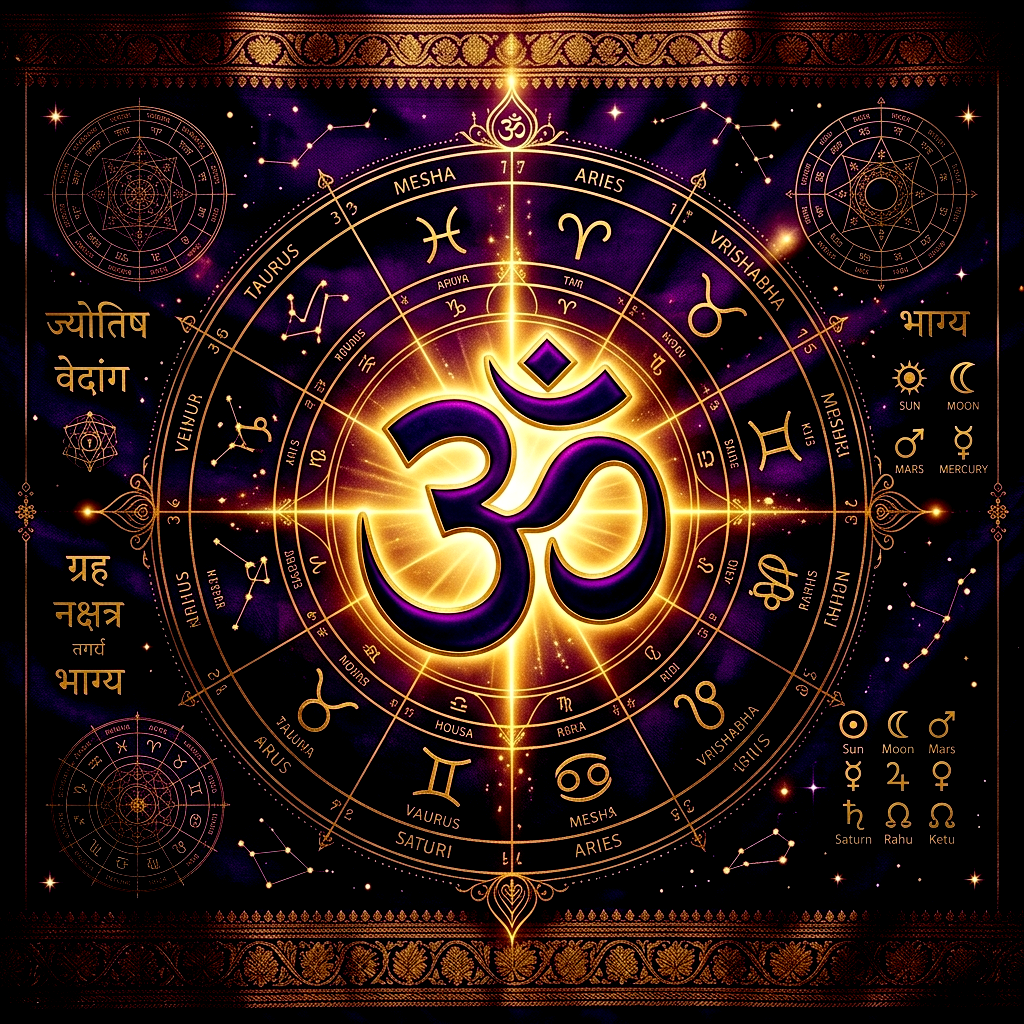
Sound exists before light. The vibration of the universe precedes the manifestation of the Rashi and the Grahas. Vedic astrology identifies the mantra as the primary tool for navigating the complexities of the Dasha sequence. It acts as a bridge between the physical burden of the Lagna and the celestial intent of the soul.
Think about it, Every soul enters the world with a specific karmic blueprint. This map is etched into the Bhavas. The placement of planets indicates areas of ease and pockets of intense resistance. Mantras serve to smooth the path. They’re not merely words. They are precise sound frequencies designed to recalibrate the subtle body.
Consider the Nakshatras. These lunar mansions dictate the rhythm of human experience. When a difficult Dasha period begins, the mind often feels the strain of the Grahas. The specific deity associated with a Nakshatra responds to specific sound patterns. Chanting creates a resonance, it bypasses the intellectual ego. It speaks directly to the nervous system.
The Geometry of Sound
The Vedas describe the universe as a manifestation of Nadam or primordial sound. Each Graha carries a unique frequency, surya demands clarity and ego refinement. Chandra governs the fluctuations of the emotional tides. Mangala exerts the force of raw action. When these planets sit in difficult Yogas, the internal state becomes fragmented.
Mantras act as a tuning fork. They align the internal state with the desired quality of the planet. A practitioner chanting the specific syllables for Shani during a Sade Sati period finds that the crushing weight of reality begins to shift. It doesn’t erase the karma, it changes the way the mind carries the burden.
Do you feel the weight of a heavy transit now? Take a moment to breathe.
The practice requires consistency. A single recitation provides a flicker of light. Daily repetition builds a steady flame. The Divisional charts reveal the underlying potential of the individual. When the Navamsha chart shows a disconnect between the outer persona and the inner reality, mantras mend the rift. They harmonize the D-1 and the D-9, bringing the public life and the private soul into a singular focus.
Targeting the Bhavas
The twelve houses of the horoscope represent the entire spectrum of human experience. Problems in the fourth house suggest a disconnect in the domestic sphere or an unsettled heart. Mantras focused on the presiding deities of the houses clear the stagnation within these Bhavas. They remove the blockages that prevent the fruits of the Grahas from manifesting.
Each Upagraha acts as a shadow point, often manifesting as sudden obstacles or hidden enemies. They’re the unseen currents in the ocean of life. Mantras act as a lighthouse. They reveal the presence of these shadows before they cause a collision. By honoring the subtle energies through sound, the intensity of these points diminishes.
The potency of a mantra resides in the intent. It resides in the purity of the sound. The tongue, the palate, and the breath work in unison to trigger specific points in the brain. This is ancient technology, it does not rely on belief. It relies on the physics of vibration.
Dasha and the Flow of Time
Life moves in cycles. The Vimshottari Dasha system dictates the major themes of each season of existence. A period ruled by Rahu often brings confusion and material obsession. A period ruled by Ketu demands detachment and spiritual inquiry. Mantras provide the necessary anchor during these transitions.
When the Mahadasha lord is weak or debilitated, the individual suffers a loss of direction. The mantra restores the connection to the archetype of that planet. It’s not about changing the external event. It is about sharpening the perception of the individual so they may move through the event with grace.
Look, Consider the power of the Bija mantras. These single-syllable sounds contain the concentrated essence of a Graha. They’re potent, they are direct. They cut through the noise of the mundane world. When chanted with the correct intonation, they clear the mental clutter generated by the Rashi shapes.
The Role of the Vedic Astrologer
The astrologer identifies the deficiency, the chart reveals where the energy is depleted. The remedy is prescribed based on the specific needs of the Lagna. A person with a strong ego might need a mantra to cultivate humility. Another with a fearful nature might need a mantra to instill courage.
The selection of a mantra is a science. It is not a random choice. It is a calculated response to the specific geometry of the chart. The astrologer looks at the placement of the Grahas and the strength of the Bhavas to determine the exact frequency required. The mantra acts as a corrective lens.
It is important to remember that mantras aren’t a shortcut. They are a process. They require the discipline of the practitioner to yield results. The results appear in the quiet spaces between thoughts. They appear as a sudden clarity in a moment of crisis.
Deepening the Practice
The practice of Japa, or the repetitive recitation of a mantra, creates a protective shield. This is the Kavacha. It surrounds the individual with a field of sound. This field filters the external shapes of the Grahas. It allows the individual to observe the unfolding of their karma without being consumed by it.
The environment matters. A clean space and a focused mind enhance the potency of the sound. The timing of the chant also plays a role. Chanting at sunrise or sunset taps into the natural transitions of the day. It aligns the individual with the rhythm of the solar cycle.
Some find the process slow, they seek instant results. The stars don’t hurry. The planets move at their own measured pace. The practice of mantra requires a similar patience. It’s an investment in the long term development of the consciousness.
Closing Observations
Honestly, Vedic system offers a full approach to life. It acknowledges the challenges written in the chart. It provides the tools to navigate them. The mantra remains the most accessible and the most profound of these tools.
The sound continues to vibrate long after the voice goes silent. It permeates the atmosphere. It leaves an imprint on the consciousness. The chart remains the same. The individual changes. The perspective shifts from the limited view of the ego to the expansive view of the soul.
The cycles of the Grahas continue. The Nakshatras rise and set, the Dasha periods come and go. The practitioner remains centered in the resonance of the mantra. Observation continues, the silence remains constant.