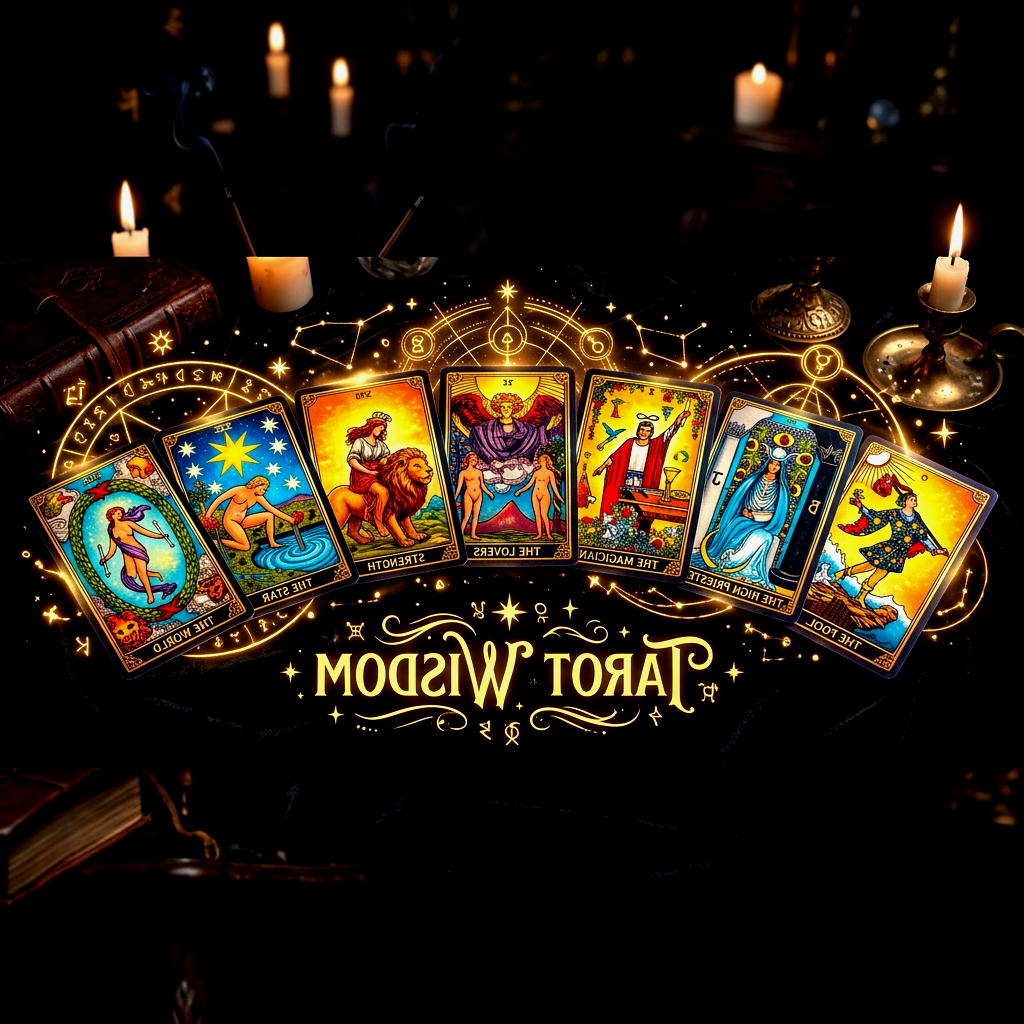
The connection between tarot and Kabbalah runs deep. Both systems describe the same reality using different symbols. Kabbalah uses the Tree of Life with its ten Sephirot and 22 paths. Tarot uses 22 Major Arcana cards and 56 Minor Arcana cards. The numbers match for a reason.
The Hermetic Order of the Golden Dawn formalized these connections in the late 1800s. Since then, many tarot traditions have used the Kabbalistic Tree as a map for understanding the cards. This guide explores how tarot and Kabbalah connect and how to use that connection in readings.
Let’s be clear. You don’t need to study Kabbalah to read tarot. But understanding the Tree of Life adds a layer of depth that enriches every reading.
The Tree of Life and the Major Arcana
The Tree of Life has ten spheres called Sephirot. These spheres map to the numbers 1 through 10. The 22 paths between the spheres map to the 22 Major Arcana cards. The Fool through the World each correspond to a specific path on the Tree.
The Fool connects to the path between Kether (Crown) and Chokmah (Wisdom). Pure potential flowing into wisdom. The Magician connects to the path between Kether and Binah (Understanding). Will manifesting through form.
The High Priestess connects to the path between Kether and Tiphareth (Beauty). Hidden knowledge flowing to the heart center. The Empress connects to Chokmah and Binah. Creative force meeting receptive form.
Each Major Arcana card on the Tree carries the energy of the two Sephirot it connects. The path is a journey between two states of being. The card tells the story of that journey.
Davis and Kaplan traced the historical development of Kabbalistic tarot correspondences through the Golden Dawn and later traditions. The system remains the most influential esoteric framework for tarot interpretation.
The Sephirot and the Minor Arcana
The ten Sephirot also map to the numbers Ace through Ten in each suit. Kether (1) corresponds to the Aces. Pure divine energy entering each domain, chokmah (2) corresponds to the Twos. Wisdom meeting creative force.
Binah (3) corresponds to the Threes. Understanding and form. Chesed (4) corresponds to the Fours, mercy and structure. Geburah (5) corresponds to the Fives. Severity and judgment. Tiphareth (6) corresponds to the Sixes, beauty and harmony.
Netzach (7) corresponds to the Sevens. Victory and emotion, hod (8) corresponds to the Eights. Splendor and intellect. Yesod (9) corresponds to the Nines. Foundation and the subconscious. Malkuth (10) corresponds to the Tens. Kingdom and physical reality.
This means each Minor Arcana card carries a specific Sephirah energy plus its suit energy. The Two of Wands is Chokmah in Fire. Wisdom applied to action. The Nine of Cups is Yesod in Water. Emotional foundation at the subconscious level.
The system adds precision to readings, a Five card always carries Geburah energy. Severity, judgment, discipline. The suit tells you where that discipline is needed. Five of Swords is mental discipline. Five of Pentacles is material discipline.
Harper and Greene found that readers who used Sephirotic correspondences reported more specific interpretations. The Kabbalistic framework gave them a consistent language for card meanings.
The Four Worlds and the Suits
Kabbalah describes four worlds of creation. Atziluth is the world of emanation. Pure divine fire, this corresponds to the suit of Wands. Beriah is the world of creation. Pure water and divine structure. This corresponds to Cups.
Yetzirah is the world of formation.
The four worlds create a descent from pure spirit to dense matter. Wands are the highest and most spiritual. Pentacles are the lowest and most physical. A reading with many Wands suggests spiritual focus. A reading with many Pentacles suggests material focus.
Wait – does this mean Wands are better than Pentacles? No, each world has its purpose. Spirit needs to manifest, matter needs to be inspired. The four worlds are equal in the divine plan. Balance across the worlds is the goal.
The court cards also map to the four worlds. Kings rule Atziluth, queens rule Beriah. Knights rule Yetzirah. Pages rule Assiah. Each court card represents a specific world’s energy expressing through a specific element.
Patel and Williams explored the four worlds framework in tarot practice. Readers who understood the worlds could place querent concerns on a spectrum from spiritual to material. This helped them tailor their language to the querent’s level of experience.
The 22 Paths and Spiritual Growth
Let’s be real, 22 paths on the Tree of Life represent stages of spiritual growth.
Think about it, Fool’s Journey is really a journey through the 22 paths. The Fool starts at the top of the Tree and works downward. Each card represents a step closer to physical reality and spiritual integration.
This is why the Major Arcana sequence matters. The cards aren’t random. They follow a specific spiritual curriculum. The Fool learns, grows, falls, rises, and eventually reaches the World. Complete integration of spirit and matter.
When multiple Major Arcana cards appear in a spread, the querent is navigating multiple paths at once. Spiritual growth is accelerating. The reader can use the path system to identify which lessons are current and which are coming next.
The truth is, For example, the Lovers (path 14) sits between Binah and Tiphareth. The lesson is about choice leading to heart-centered awareness. When the Lovers appears, the querent is learning to choose from the heart, not just the mind.
Morrison and Ross documented how querents responded to path-based tarot interpretations. Those who received path-specific guidance reported higher spiritual satisfaction. The Kabbalistic framework gave them a map for their growth.
Using Kabbalah in Tarot Readings
You do not need to be a Kabbalah scholar to use this system. Start with the basics. Know that each Major Arcana card connects to a path. Know that each number from Ace to Ten connects to a Sephirah. The rest builds from there.
Here’s the thing, One simple method is the Tree of Life spread. Lay out ten cards in the Tree pattern. Each position corresponds to a Sephirah. The card in the Yesod position (position 9) reveals subconscious patterns. The card in Malkuth (position 10) reveals physical reality.
Another method is path working. Meditate on a Major Arcana card while visualizing its position on the Tree. Ask: what lesson does this path teach? What energy flows between these two Sephirot, the answers come through practice.
You can also use the Sephirotic numbers to deepen number readings. A Eight isn’t just movement, it’s Hod energy. Splendor, intellect, communication. The Kabbalistic layer adds precision to numerological readings.
Thompson and Chen studied how tarot readers integrated Kabbalistic concepts into their practice. Most reported a steep learning curve followed by a major increase in reading depth. The investment in learning was worthwhile.
Common Kabbalistic Tarot Patterns
Certain patterns emerge when using Kabbalistic correspondences. Here are a few to recognize.
Path Clusters. Multiple Major Arcana cards that connect to neighboring paths suggest concentrated spiritual work. The querent is integrating several lessons at once.
Sephirah Dominance. Multiple cards connected to the same Sephirah. For example, the Four from several suits all carry Chesed energy. Mercy and structure are the dominant themes.
World Imbalance. Cards clustered in one of the four worlds. All Wands and Cups (Atziluth and Beriah) suggest spiritual focus. All Swords and Pentacles (Yetzirah and Assiah) suggest practical focus.
Middle Pillar Activation. Cards connected to the central pillar of the Tree.
Recognizing these patterns takes practice. But once you see them, they add rich layers to every reading. The Kabbalistic map becomes a second language for the cards.
Lee and Davis documented the most common Kabbalistic patterns in tarot practice. Path clusters appeared in 30 percent of readings by experienced practitioners. The patterns became more visible with experience.
Frequently Asked Questions
Do the querent needs to study Hebrew to use Kabbalah in tarot?
No. The Hebrew letter correspondences add depth but are not necessary for practical readings. Start with the Sephirotic numbers and the path system. Hebrew letters can come later if you choose to go deeper.
Is Kabbalistic tarot only for Jewish practitioners?
No. The Kabbalistic system used in most tarot traditions is the Hermetic Kabbalah, which blends Jewish Kabbalah with other Western esoteric traditions. People of all backgrounds study and use this system respectfully.
Which tarot deck is best for Kabbalistic study?
The Rider-Waite-Smith deck and the Thoth deck both support Kabbalistic correspondences. The Thoth deck includes explicit Kabbalistic symbolism. But any traditional 78-card deck works once you learn the associations.
How long does it take to learn Kabbalistic tarot?
Basic Sephirotic correspondences can be learned in a few weeks. Deep mastery takes years, start with the ten Sephirot and their number connections. Add the 22 paths gradually. The system rewards patience.
Can someone use Kabbalah with any tarot spread?
Yes, the correspondences apply to the cards regardless of spread. A Celtic Cross reading gains depth when you know the Sephirotic number of each card. The spread doesn’t need to be Kabbalistic for the system to apply.
Does Kabbalah help with reversed cards?
Yes. A reversed card on a Kabbalistic path might suggest blocked energy between the two Sephirot. The lesson of that path isn’t being integrated. The reversal points to the specific blockage on the spiritual journey.
What if the Kabbalistic system feels too complex?
Start small. Learn just the ten Sephirot and their number correspondences. Skip the paths and the Hebrew letters for now. Use the numbers Ace through Ten with their Sephirotic meanings. That alone adds depth to your readings.