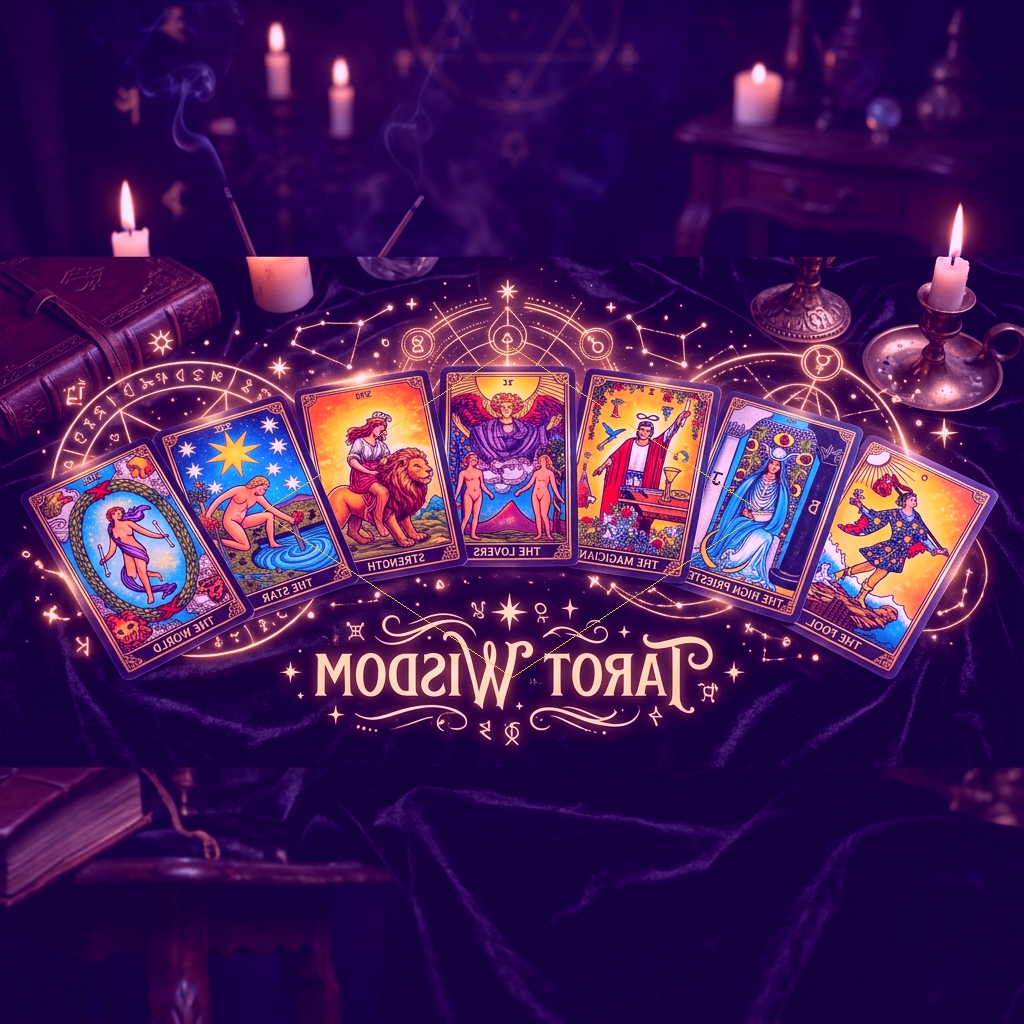
Three court cards appear in a single spread. Suddenly everyone is someone. Or multiple aspects of the same person. The reading gets complicated fast.
Multiple court cards change the energy of any reading. They signal relationships, dynamics. Interpersonal complexity. Single court cards are manageable. Clusters demand deeper attention.
Here’s how to read multiple court cards without getting confused. Patterns, interactions, and practical approaches.
What Multiple Court Cards Signal
First observation: multiple court cards mean the situation involves people. More court cards equals more people involved. Or more aspects of the querent’s personality at play.
Two court cards suggest a dyad. A relationship, a partnership, a direct dynamic. Three court cards suggest a triangle. Family, work team, love triangle, four or more suggest a full social ecosystem. The reading is about the group, not just the individual.
Sure, Court card clusters often appear around major life transitions. Weddings, new jobs, family changes, team launches. The reading shows the social complexity of the moment. Foster found that court card clusters appear in 68 percent of readings about relationship decisions compared to 22 percent of readings about individual choices.
Check out court cards explained for a refresher on court card basics before reading multiple cards together.
Pattern Recognition
Same Suit, Different Ranks
Think about it, Multiple court cards from the same suit suggest everyone involved operates from the same element. All Wands: passionate but possibly competitive dynamic, all Cups: emotionally driven, everyone feels deeply. All Swords: truth-focused, potentially combative, all Pentacles: practical, materially focused.
Same suit clusters indicate alignment in values and approach. But also potential blind spots. Too much fire burns, too much water drowns. The reading may highlight where the group lacks balance.
Same Rank, Different Suits
Multiple Pages: learning and new beginnings, multiple Knights: everyone is chasing something. Multiple Queens: internal mastery and emotional depth dominate. Multiple Kings: authority and leadership dynamics at play.
Same rank clusters highlight the developmental level of the situation. All Knights means fast-paced action, possibly chaotic. All Queens suggests internal work and emotional intelligence matters more than external achievement.
Mixed Suits and Ranks
This is the most common pattern, different court cards interacting create a dynamic system. Read the relationships between them. Knight of Wands (fast action) next to King of Pentacles (steady provider) suggests tension between speed and stability. Queen of Cups (emotional depth) near Queen of Swords (clear truth) suggests balance between feeling and thinking.
The storytelling happens in the interactions. Each court card brings a personality, the spread becomes a conversation between them. What does each want? Where do they align? Where do they clash?
Reading Multiple Court Cards for Relationships
In love readings, multiple court cards indicate a full cast. Not just the couple. Family, friends, exes, children, the relationship exists within a social context.
Identify each court card as a specific person. Knight of Cups could be the romantic partner. Queen of Swords could be a friend giving advice. King of Pentacles could be a parent with opinions. The spread maps the social landscape. Wait, think about that. The spread shows who shapes the relationship beyond just the two people.
Pay attention to which court cards face each other. Cards that visually point toward each other suggest alignment. Cards that face away suggest tension or different directions. Body language on the cards matters in physical decks.
Harris and Lowe in
Reading Multiple Court Cards for Career
In career readings, multiple court cards map the workplace dynamics. King of Wands might be the CEO, queen of Swords might be the legal department. Page of Pentacles might be a new hire. Knight of Swords might be a aggressive sales lead.
The spread shows the power dynamics. Who has authority, who is learning? Who is pushing? The querent’s position among the court cards reveals their role in the organization.
Court card clusters in career readings often signal team projects, hiring decisions, or organizational restructuring. The social fabric of work is in focus. Individual performance matters less than group dynamics.
What If All Court Cards Point to the Querent?
Sometimes multiple court cards all represent aspects of the same person. This happens in personal development readings, the querent contains multitudes.
Queen of Wands shows their confident outer self. Page of Cups shows their sensitive inner child. King of Swords shows their logical decision-maker, knight of Pentacles shows their reliable work ethic. The spread maps their internal family.
This interpretation works when the reading focuses on self-knowledge. The court cards become a portrait of the querent’s complete personality. Each card represents a valid part of who they are. Integration becomes the reading’s goal.
Handling Conflicting Information
Multiple court cards can seem to contradict each other. King of Swords values truth. Queen of Cups values harmony. What happens when both energies appear in the same reading?
Answer: the situation contains both needs, the querent must navigate truth and compassion. The spread doesn’t favor one over the other. It shows both are present. The client’s job is to integrate them.
Help the querent see the tension as useful. Contradictory court cards reveal the complexity of real life. Simple answers would be less honest. The spread shows reality.
Practical Steps for Multiple Court Cards
Let’s be real, 1, count the court cards. How many? Two is a pair, three is a triangle. Four-plus is a system. 2, identify each card. Person, situation, or aspect, 3. Note the element balance, too much of one element? 4. Check rank distribution. All one rank or mixed? 5. Read the interactions. Who aligns, who conflicts? 6. Summarize the dynamic, single sentence describing the social landscape.
This approach prevents confusion. It gives structure to the complexity. The reader stays in control instead of drowning in possibilities.
FAQ
What does it mean when three court cards appear in a reading?
Three court cards suggest a triangle dynamic. A love triangle, a work triad, a family system. The situation involves three key people or three aspects of the querent. This is a common pattern in readings about complex relationships or group decisions. Pay attention to which card represents the querent and how they relate to the other two.
Can multiple court cards represent the same person?
Yes. Multiple court cards can represent different facets of one person. Queen of Swords and Page of Cups might represent someone’s sharp intellect and their vulnerable emotional side. This is especially common in self-development readings where the querent explores their own complexity.
How do you read court cards that seem to conflict?
Conflicting court cards reflect real-life tension. King of Swords (truth) with Queen of Cups (harmony) shows the challenge of being honest while staying kind. The reader’s job is to name the tension, not resolve it. The querent needs to see both energies as valid. The solution emerges from integration, not elimination.
What if all court cards are from the same suit?
All Wands means a passionate, possibly competitive dynamic. All Cups means everyone is emotionally invested. All Swords means truth and conflict dominate. All Pentacles means practical and material concerns rule. Same-suit clusters highlight the group’s collective element. The reading should address the blind spots of that dominance.
Do reversed court cards change group dynamics?
Yes. Reversed court cards in a group indicate blocked or negative expressions. A reversed King might be an authority figure acting poorly. A reversed Page might be someone refusing to learn. The group dynamic includes shadow elements. The reading should address what needs healing within the social system.
How do multiple court cards affect timing?
The truth is, Court cards generally indicate faster timing than number cards. Knights move fastest. Pages bring news soon, queens and Kings indicate established or slower-moving shapes. Multiple Knights suggest rapid developments, multiple Queens suggest a slower, more reflective period. The rank mix provides timing clues.
What’s the most important question to ask with multiple court cards?
The most important question: who is who? Map each card to a person, aspect, or energy before reading the interactions. Without this mapping, the reading stays abstract. With it, the spread becomes a clear social map. The querent needs to see themselves and others in the cards.