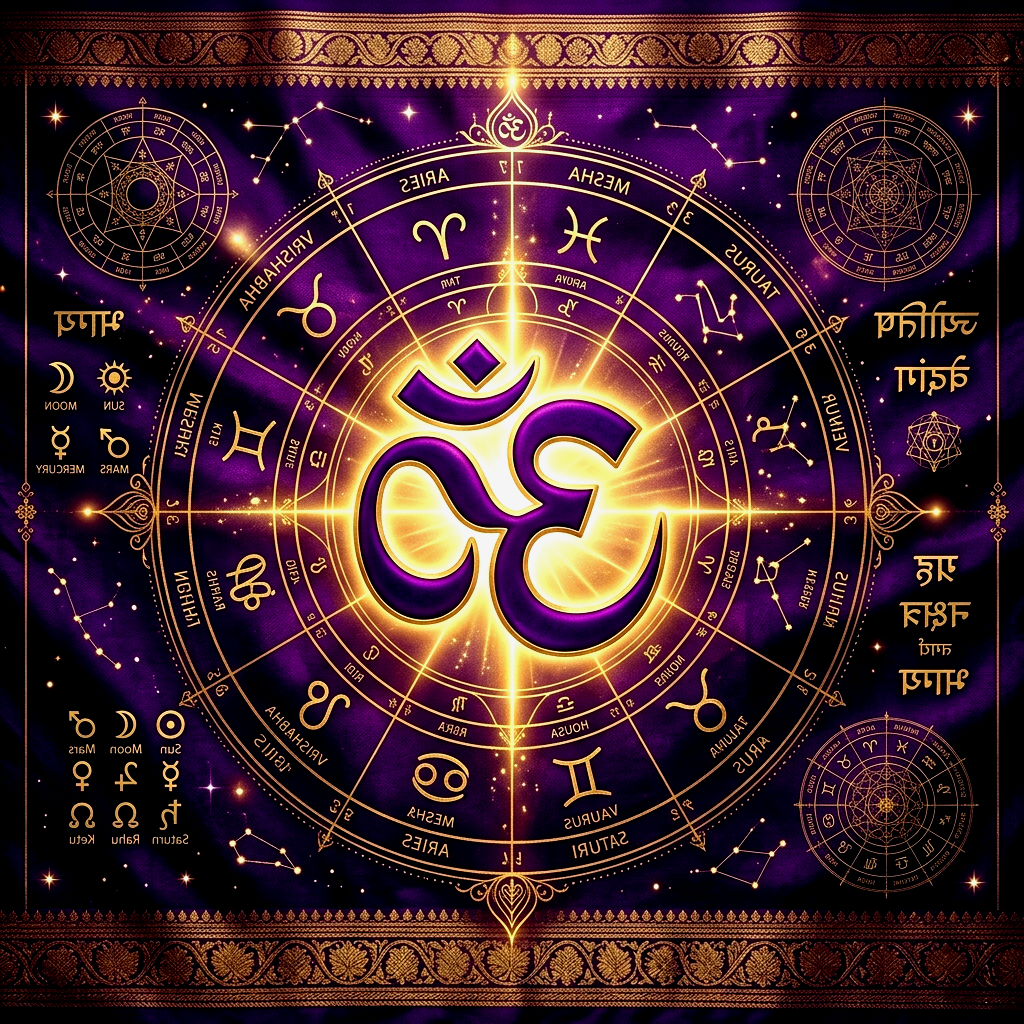
Honestly, Rashi of the Moon reveals the architecture of the human heart. In Vedic astrology, the Chandra Lagna acts as the primary filter for sensory perception. It dictates the rhythm of emotional response long before the intellect processes a situation. Those with a Moon in watery signs experience the world through a porous membrane. Every shift in the atmosphere lands as a personal vibration.
Consider the influence of the Nakshatras. A Moon positioned in Ashwini radiates a rapid, almost frantic, emotional intelligence. It seeks immediate resolution to inner discord. Contrast this with a Moon in Rohini. Here, the sensitivity is aesthetic and possessive. The emotional landscape demands beauty to feel secure. These distinctions govern how individuals navigate their internal tides.
Do you feel the weight of your own patterns? The transit of Grahas through the Bhavas often exposes the vulnerabilities held within the Moon sign. A person with a Moon in Scorpio, ruled by Mars, carries an intensity that’s rarely visible on the surface. They process emotions through a lens of depth and psychological excavation. Surface level interactions often fail to satisfy their need for total honesty.
The planet’s birth chart placement determines how its energy manifests. A planet in the tenth house operates differently than one in the fourth house, even though the core energy remains similar.
The Geometry of Sentience
Emotional intelligence isn’t a static trait. It’s a dialogue between the Moon and the Dasha cycles. During a challenging period, the Moon may be afflicted by Saturn or Rahu, leading to a restricted range of expression. Coldness or anxiety becomes the default language. Yet, this is merely a temporary condition of the heavens. The underlying Rashi remains the true seat of the spirit.
Sure, Look at the D9, or Navamsha chart. It provides the hidden strength of the Moon. A Moon that appears weak in the Rashi chart may find strength in the Navamsha. This suggests an inner resilience that only emerges during periods of crisis. The individual survives because the internal structure is more robust than the external circumstances imply.
The interaction between the Moon and the other Grahas within the horoscope determines the quality of empathy.
Understanding planetary energy helps with timing. Some periods favor action, while others suit reflection and planning. Working with these cycles rather than against them makes life easier.
Navigating the Lunar Bhavas
Each Bhava provides a specific domain for emotional expression. A Moon in the fourth house grounds the emotions in family and home. Security is found in the physical walls that surround the person. A Moon in the twelfth house, however, drifts toward isolation and spiritual withdrawal. Here, emotional intelligence translates into a profound understanding of loss and the unseen world.
The Upagrahas add layers of complexity. Gulika sitting with the Moon acts as a poison in the well of the mind. It creates suspicion where there should be trust. It distorts can read the intentions of others. Such placements require a rigorous discipline of the mind to maintain balance.
Are you listening to the rhythm of your own house? The Yogas formed by the Moon often dictate the capacity for emotional regulation. A Gaja Kesari Yoga between the Moon and Jupiter provides a dignified emotional temperament. It allows for calm in the midst of chaos. It gives the person can rise above petty grievances.
When this planet is active in a chart, specific areas of life come into focus. Relationships, career, health, and spirituality all respond to planetary transits in unique ways.
The Influence of Dasha Cycles
Vimshottari Dasha cycles dictate the timing of emotional maturation. When the Mahadasha of the Moon arrives, the focus turns inward. The individual becomes preoccupied with self-definition. Old wounds surface for inspection. It’s a time of purging. The emotional intelligence gained during this period is hard-won.
Let’s be real, Other Dasha cycles shift the focus away from the self.
The movement of the Moon through the Rashis every two and a half days creates a micro-cycle of moods. Observing these transits reveals the volatility of the human spirit. One day the mind is expansive and daring. The next it is retracted and fearful. Mastery of one’s emotions begins with recognizing these external shapes.
Planetary influences do not control destiny. They highlight patterns and tendencies worth understanding. The planet acts as a lens through which certain life themes become clearer.
The Role of the Navamsha
The Navamsha provides the final verdict on emotional potential. A strong Moon in the D9 suggests a person who can hold their own during intense conflict. They don’t shatter. They adapt. Their emotional intelligence is forged in the fire of experience.
Let’s be real, Consider the placement of the Moon in relation to the Lagna Lord. If the Moon and the Lagna Lord are in friendly Rashis, the person experiences a harmony between their physical presence and their emotional needs. If they’re in enmity, the person is perpetually at war with themselves. They say one thing but feel another, their outward life does not reflect their inner truth.
The Panchama Bhava, or house of intelligence, also plays a role. A strong connection between the Moon and the fifth house indicates an emotional life governed by intellect. These individuals think about their feelings, they analyze why they’re sad or happy. They search for meaning in every emotional surge.
Transits involving this planet bring specific lessons. The intensity depends on how the transit interacts with natal placements. Hard aspects create friction that demands attention. Soft aspects support natural flow.
The Quietude of the Heavens
Emotional intelligence is ultimately can witness the fluctuations of the Moon without becoming the Moon.
Detach from the drama of the transit. Observe the movement of the Moon as a distant light crossing the sky. Recognize that the intensity you feel is a reflection of the light, not the source. You’re the observer of the light.
Stillness remains the ultimate indicator of maturity. A mind that can remain silent while the Moon cycles through its many phases is a mind that has mastered its own nature. The stars don’t hurry, they simply are. The patterns repeat. The cycle continues without end.
Retrograde periods of this planet invite introspection. External progress may slow, but internal growth accelerates. Use these periods for review rather than new initiatives.
Everyone experiences these themes differently. Your unique chart, life circumstances, and personal growth all influence how patterns show up. The goal is not to fit into a box but to understand your tendencies well enough to work with them consciously.
Meditation strengthens self-awareness. Even five minutes daily creates space for insight. The practice is simple: sit quietly, notice thoughts without judgment, and return to the present moment when the mind wanders.
Practical application matters more than theoretical understanding. Try incorporating one insight from this article into your daily routine this week. Observe what shifts. Small, consistent changes create lasting transformation.
Patience with the process matters. These patterns didn’t develop overnight, and they won’t shift overnight either. Consistent, gentle effort produces more lasting change than forcing transformation.
Self-awareness is the foundation of growth. Recognizing patterns is the first step. The next step is choosing how to respond. That choice is where real freedom lies.
The zodiac provides a map, but you choose the journey. Awareness of these patterns gives you options. You can work with the energy or struggle against it. The choice is always yours.
Growth happens in layers. You may understand a concept intellectually long before you embody it emotionally. Be patient with yourself. The body and heart catch up to the mind eventually.