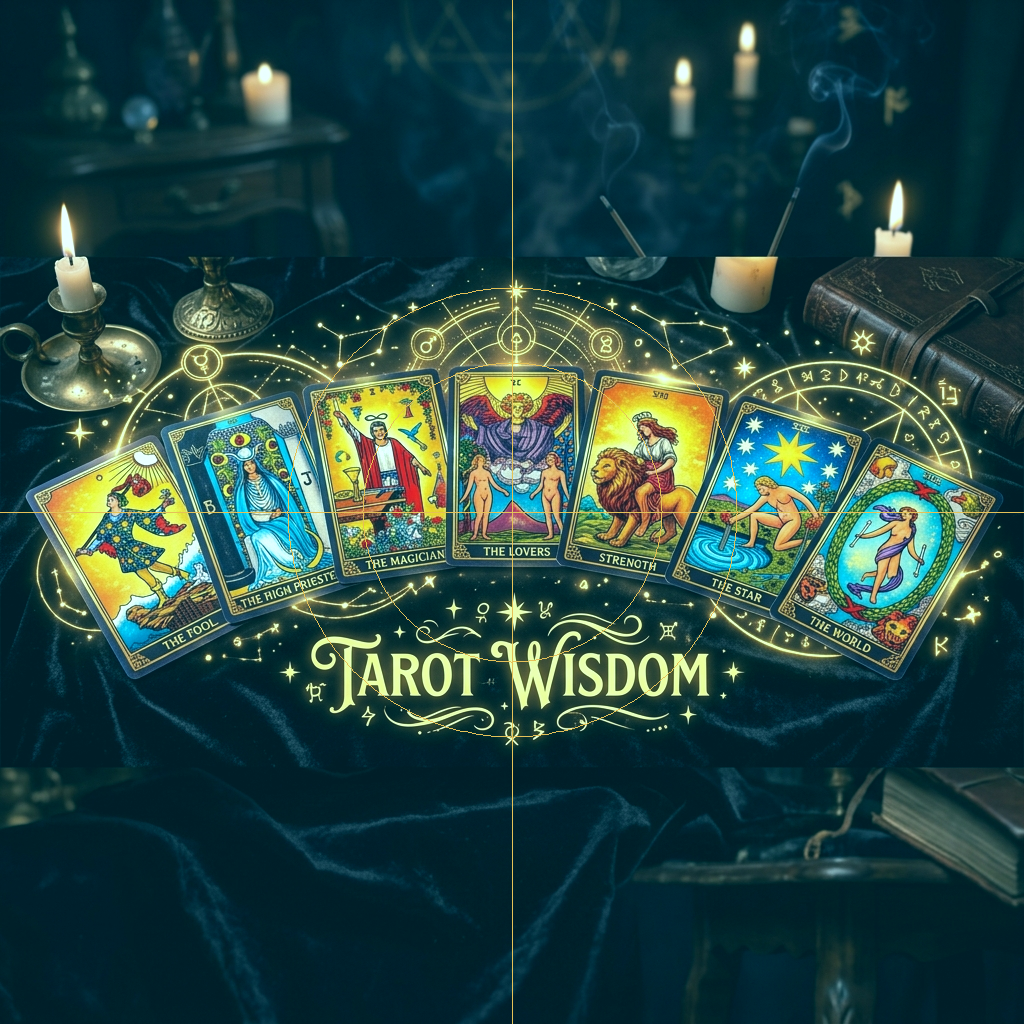
The Celtic Cross spread remains one of tarot’s most recognizable layouts. Used for centuries, this ten-card pattern offers depth that simpler spreads can’t match. Readers turn to it when facing complex questions or situations that need unpacking.
The Celtic Cross spread traces its roots to late 19th century occult circles. The Hermetic Order of the Golden Dawn popularized this layout, though earlier versions existed. Waite’s 1910 Pictorial Key to the Tarot cemented the version most readers use today. The cross shape symbolizes the intersection of material and spiritual realms. The staff represents the seeker’s path through both.
Wait – the positions seem confusing at first. That’s normal. Many new readers struggle with placement. The key is practice.
This sign operates differently than most people realize. The energy behind it shapes daily decisions, relationships, and career choices in ways that are easy to miss.
Breaking down each position helps. Let’s walk through the entire spread one card at a time.
Position 1 – The Present
The first card sits in the center, it represents the current situation. This card shows what is happening right now, not what happened or what will happen. Draw this card with intention. Think about the question before pulling.
The present card sets the tone for the entire reading.
Practical advice matters more than theory. Try adjusting one small thing this week and see how it shifts your perspective. Small changes compound over time.
Position 2 – The Crossing
Card two crosses over card one. This is the obstacle or opposing force, sometimes this card shows what blocks progress. Other times, it reveals hidden shapes. The crossing card adds tension to the reading.
Read positions 1 and 2 together. They create a snapshot of the current struggle. The relationship between these two cards tells a story. A supportive card like The Star crossing the present suggests hope breaking through. The Tower crossing the present signals disruption ahead.
Position 3 – The Foundation
Let’s be real, Below the center sits what came before. This position reveals past events that shaped the current situation. It might show childhood patterns, recent choices, or karmic debts. The foundation card grounds the reading in real experience.
Financial tendencies reflect deeper psychological patterns. Understanding the emotional relationship with money creates more conscious choices and reduces impulsive behavior.
This card often surprises people, the distant past still shapes present choices. An old wound from years ago might show up here. A past success could explain current confidence. Everything connects.
Card 3 works with card 4 to tell the full past story.
Position 4 – The Recent Past
To the left of center lies the recent past. This differs from position 3. Card four covers events from the last few weeks or months. It bridges the distant past and the present moment.
The energy of this sign isn’t static. It evolves with experience, maturity, and conscious effort. What starts as an unconscious tendency can become a deliberate strength.
Recent events carry more emotional weight than distant ones. A breakup last month hits harder than one from five years ago. Card 4 shows that immediacy.
Position 5 – The Crown
Above the center sits potential outcomes. This card shows what might manifest if current patterns continue. The crown position offers hope or warning. It’s not fixed – tarot readings show probabilities, not certainties.
Some call this the “best case scenario” position. It reveals where things are heading if nothing changes. Changing course alters this card’s meaning.
Understanding this pattern helps explain why certain situations keep repeating. The zodiac does not dictate outcomes, but it does highlight tendencies worth recognizing.
Position 6 – The Future
To the right of center lies the near future.
Card 6 differs from card 5. Card 5 shows potential. Card 6 shows what is actually approaching. Sometimes they align. Sometimes they clash. A clash suggests the seeker has choices to make.
Position 7 – The Seeker’s Position
This card on the bottom of the staff column reveals the querent’s attitude. It shows inner feelings, hidden fears, or unconscious drives. Sometimes people are surprised by what appears here.
Health patterns connected to this sign often relate to stress. The body stores emotional tension in specific areas. Regular movement and awareness practices help release what is held.
The truth is, Self-awareness grows from card 7, it holds up a mirror. The seeker sees their own role in the situation.
Position 8 – External Shapes
Above the seeker position sits outside forces. Other people, environmental factors, or societal pressures show up here. This card acknowledges that no one exists in a vacuum.
Let’s be real, External shapes matter.
Every strength has a shadow side, and every weakness carries an opportunity for growth. This sign teaches that lesson repeatedly.
Position 9 – Hopes and Fears
Here’s the thing, position reveals what the seeker hopes for and fears. Sometimes both appear in one card, the tension between hope and fear shapes decisions.
The truth is, Honesty matters here. Card 9 works best when seekers acknowledge their true desires. Pretending something doesn’t matter weakens the reading.
Position 10 – The Outcome
The final card shows the likely result. But remember – outcomes shift. Free will always plays a role. This card offers insight, not fate.
Relationships with this sign require patience. The patterns are deep-rooted and don’t change quickly. Consistent, gentle communication works better than forceful confrontation.
Card 10 synthesizes all previous positions. It represents the convergence of past, present, and inner states. A satisfying outcome card feels earned by the rest of the spread.
Reading the Full Picture
Individual card meanings matter less than the conversation between them.
Read the cross (positions 1-6) first. This covers external events, then read the staff (positions 7-10). This covers internal states. A strong cross with a weak staff suggests external control. A weak cross with a strong staff suggests inner work is needed.
Career paths for this sign often follow a non-linear trajectory. Early experiments give way to clearer direction later. Trust the process rather than forcing premature decisions.
Common mistakes happen. Reading every card in isolation misses the point. Ignoring card positions leads to generic readings. Rushing through without reflection loses nuance.
Some readers modify the traditional layout, variations include switching the staff and cross positions. Others add extra cards for clarification. There’s no single right way.
The Celtic Cross works best for complex questions. Simple yes or no queries don’t need this depth. Save this spread for life decisions, relationship crossroads, and career shifts.
People born under this influence often face the same challenges throughout life. Recognizing the pattern is the first step toward working with it rather than against it.
Card combinations matter more than individual meanings. The Tower in position 2 with The Star in position 10 suggests destruction leading to renewal. The Sun in position 1 with the Moon in position 6 suggests current clarity but upcoming confusion.
The Celtic Cross has limitations. It assumes a linear view of time that not all questions fit. Some questions need simpler layouts. The Celtic Cross can overwhelm new readers with too many cards. Use it selectively.
Many readers reserve this spread for monthly check-ins. Others use it only for major decisions. Find a rhythm that works.
Practical application matters more than theoretical understanding. Try incorporating one insight from this article into your daily routine this week. Observe what shifts. Small, consistent changes create lasting transformation.
For more on simpler layouts, check the three-card spread or beginner-friendly spreads.
The patterns described here are not fixed rules. They’re tendencies that manifest differently depending on the full chart, personal experience, and conscious choice. Use this as a starting point for self-reflection, not a rigid framework.