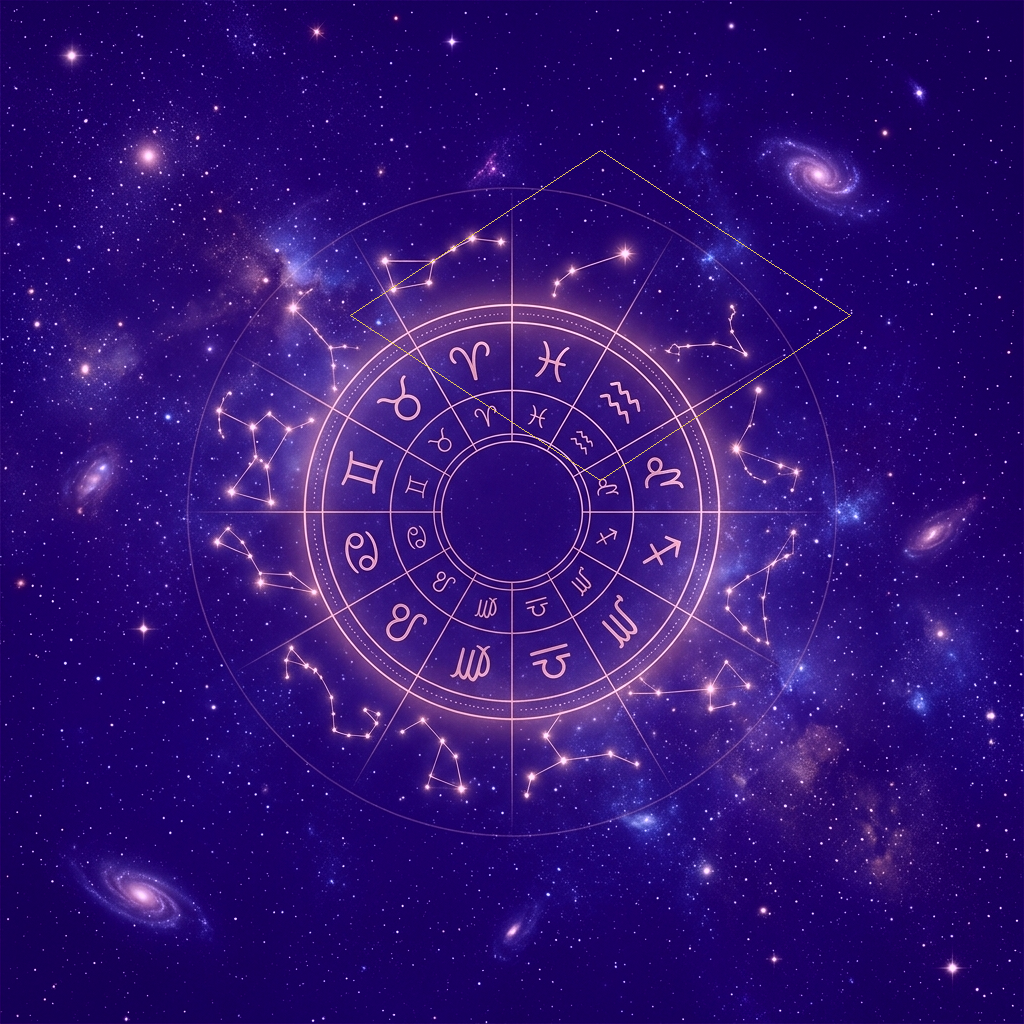
Astrology does not fit neatly into one category. It has elements of science, art, and spirituality all mixed together. Depending on how you use it and who you ask it can be any of these things. The answer changes based on your perspective and your purpose for engaging with astrology in the first place.
The debate about what astrology is has been going on for centuries. In ancient times astrology was considered a science. It was studied alongside astronomy in universities. Kings and emperors employed court astrologers. It was a respected discipline. The split between astrology and astronomy happened during the Enlightenment when science became focused on measurable phenomena.
Today most people would say astrology is not a science. It doesn’t meet the criteria of the scientific method. Its claims cannot be consistently tested and verified. But that does not mean it has no value. Many things that aren’t scientific are still meaningful. Art is not scientific. Music is not scientific. They still enrich the lives.
The most honest answer is that astrology is a symbolic language that can be used for psychological insight, spiritual growth, and practical guidance. It is a tool. The category you put it in depends on how you use the tool. A hammer can be used for construction or for art. The tool does not define the use, the user does.
Astrology as a Science
Astrology has scientific elements. It uses mathematics to calculate planetary positions. It requires precise astronomical data. It follows rules that have been developed over centuries. The calculations are objective. Two astrologers using the same data will get the same chart. In that sense astrology is scientific in its methods.
But astrology fails the scientific test when it comes to its claims.
Some astrologers argue that science hasn’t tested astrology properly. They say that the studies are reductionist and don’t capture the complexity of real astrological practice. They point to areas like epigenetics and quantum physics as possible bridges between astrology and science. But these arguments have not convinced the mainstream scientific community.
The Carl Jung connection is important here. Jung was interested in astrology and developed the concept of synchronicity meaning meaningful coincidences that aren’t causally connected. He saw astrology as a system of meaningful synchronicities. This is a different framework than science. It’s not cause and effect. It is meaning and correspondence.
Astrology as an Art
Look, Many astrologers describe their work as an art. Interpretation requires creativity, intuition, and personal expression. No two astrologers read a chart exactly the same way. The art comes from synthesizing many factors into a coherent picture that makes sense for the client. This is a creative act not a mechanical one.
The best astrologers are artists with charts. They see patterns that others miss. They communicate insights in ways that resonate deeply. They’ve a gift for timing and phrasing. These are artistic skills. They cannot be reduced to a formula or an algorithm. The human element is key to great astrology.
Artistic astrology values beauty and meaning over literal accuracy. A chart reading can be beautiful even if it isn’t perfectly predictive. The insights can be meaningful even if they’re not scientifically proven. Art moves people. Astrology as art moves people toward greater self understanding. That’s its own kind of value.
The problem with astrology as art is that anyone can claim to be an artist. There are no standards. Bad astrology can hide behind the excuse that it’s just the interpretation. This makes it hard for consumers to distinguish between skilled practitioners and amateurs. Art has no objective quality control.
Astrology as a Spiritual Practice
For many people astrology is a spiritual practice. It connects them to something larger than themselves. It provides a sense of meaning and purpose. It helps them feel part of a cosmic story. The planets become guides and teachers on a spiritual journey. This is astrology as a path of growth.
Spiritual astrology focuses on the soul’s evolution rather than daily predictions. It looks at the chart as a map of the souls intentions for this lifetime. The nodes of the Moon are especially important in this approach. They show the direction of spiritual growth and the karma that needs to be resolved.
Many spiritual seekers combine astrology with other practices like meditation, yoga, or energy work. The astrology provides insight and the spiritual practices provide tools for transformation. The combination can be powerful. It gives the person a framework for understanding their challenges and a method for working through them.
The risk of spiritual astrology is that it can become escapist. People might use astrology to avoid taking responsibility for their lives. They blame their problems on the planets instead of looking at their own choices. Spiritual bypassing is a real danger, the healthiest spiritual astrology encourages action not avoidance.
Which Approach Is Right for You?
The best approach depends on what you want from astrology. If you want intellectual understanding and precise timing the scientific or technical approach might suit you. If you want insight and self expression the artistic approach might resonate. If you want meaning and growth the spiritual approach might be your path.
You can also combine approaches, many astrologers use all three depending on the situation. They calculate the chart scientifically, interpret it artistically, and apply it spiritually. The best readings draw from all three traditions. The synthesis is more powerful than any single approach alone.
The important thing is to be honest about what astrology is and is not. It’s not a hard science. It is not always accurate. It is not a substitute for medical or financial advice. But it can be a valuable tool for self understanding, personal growth, and finding meaning in your life. Used wisely it can enrich your life majorly.
Frequently Asked Questions
Is astrology considered a science today?
No, astrology is not considered a science by the mainstream scientific community. It is classified as a pseudoscience because its claims can’t be consistently verified through the scientific method. However, it continues to be studied and practiced by millions of people who find value in it regardless of its scientific status.
Can astrology be studied academically?
Some universities offer courses on the history of astrology. A few offer certification programs in astrological studies. But there are no accredited degrees in astrology from mainstream universities. The academic study of astrology usually falls under religious studies, history, or cultural studies rather than science.
Do all astrologers use the same approach?
No, astrologers vary widely in their approach, some are very technical and focus on prediction. Others are psychological and focus on personal growth. Others are spiritual and focus on soul evolution. The approach depends on the astrologers training, philosophy, and personal style. Choose someone whose approach matches your needs.
Is there a right way to practice astrology?
There are many valid ways to practice astrology. Different traditions have different strengths. The right way is the one that produces useful insights for the client. There’s no single orthodox method that everyone must follow. The diversity of approaches is a strength of astrology not a weakness.
Can astrology be combined with therapy?
Yes, many therapists incorporate astrology into their practice. The chart can provide insights that speed up the therapeutic process. But ethical practitioners are clear about what astrology can and cannot do. It’s a tool for insight not a replacement for professional mental health treatment. Used properly it can complement therapy nicely.