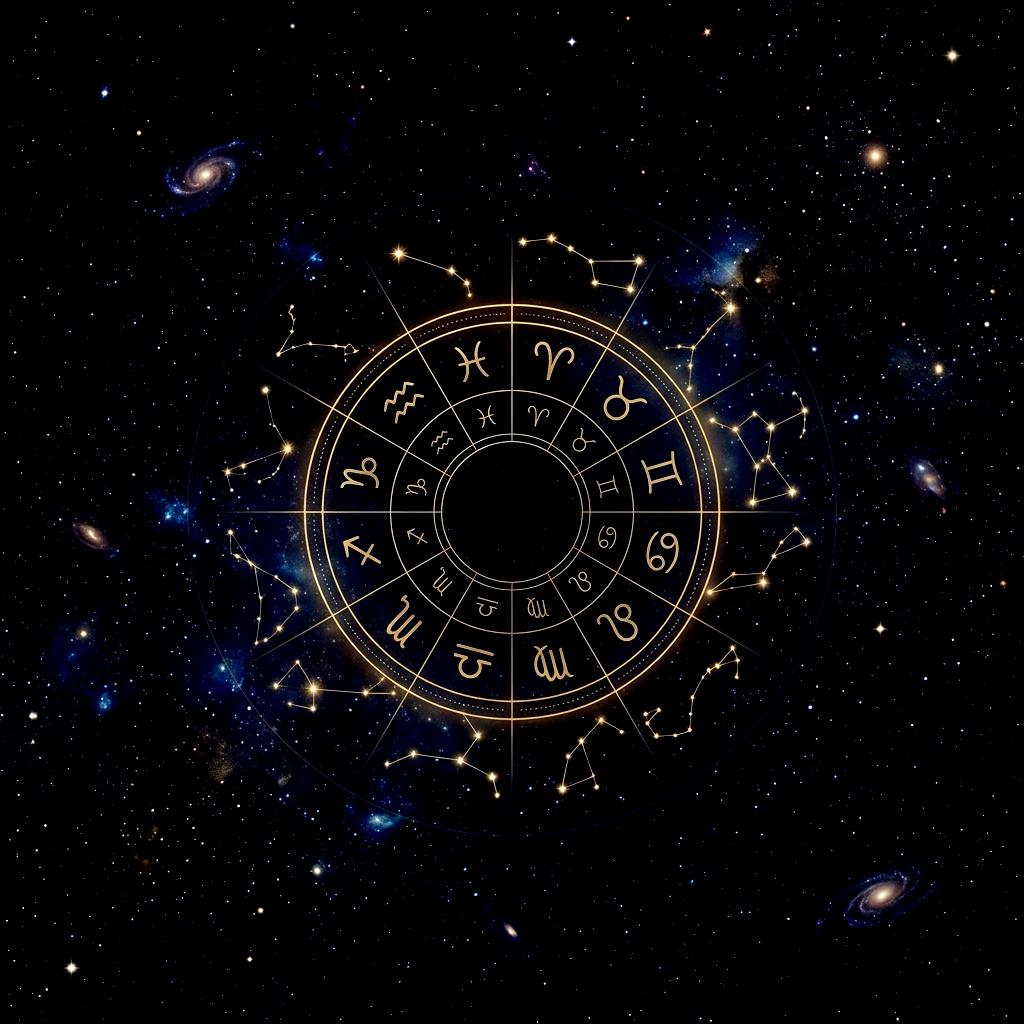
A Cancer Moon means your emotional nature is ruled by the Crab. Since the Moon rules Cancer naturally, this is one of the most powerful and sensitive Moon placements in astrology. People with a Cancer Moon feel everything deeply. Their emotions are like the ocean: vast, powerful, and constantly shifting. They’re intuitive, nurturing, and deeply connected to home and family.
Think about it, Cancer Moon people are the ultimate empaths. They absorb the feelings of everyone around them. Walk into a room and they’ll instantly know the mood. That makes them incredibly caring and supportive. They are the ones who know when you need a hug or a home-cooked meal. But it also means they get overwhelmed easily. They need time alone to recharge and release the energy they’ve absorbed.
The emotional need of a Cancer Moon is security and belonging. They need to feel safe, loved, and taken care of. They need a home base, a person, a place where they can let their guard down completely. Without that security, they become anxious, moody, and clingy. They cope by retreating into their shell, literally or emotionally.
Retrograde periods of this planet invite introspection. External progress may slow, but internal growth accelerates. Use these periods for review rather than new initiatives.
Nostalgia is a big theme for Cancer Moon. They’re deeply connected to the past, they hold onto memories, photos, keepsakes, and traditions. Letting go is hard for them. Their past relationships, even painful ones, stay with them. They learn from their history, but they also carry it like a weight. They need to learn that they can honor the past without being ruled by it.
The truth is, In relationships, the Cancer Moon is devoted, affectionate, and protective. They love through caregiving. They’ll cook for you, comfort you, and create a beautiful home for you. They need a partner who is emotionally available and who makes them feel safe. They can’t handle emotional distance or inconsistency, they need to know you’re coming home at night.
When stressed, the Cancer Moon gets moody and withdrawn. They retreat into their shell. They might cry easily or snap at small things. The best way to comfort them is gentle reassurance and physical affection. Hold them. Feed them. Tell them everything is okay. Don’t try to logic them out of their feelings. They need to feel safe before they can process.
Understanding planetary energy helps with timing. Some periods favor action, while others suit reflection and planning. Working with these cycles rather than against them makes life easier.
The shadow side of Cancer Moon includes moodiness, possessiveness, and manipulation through guilt. They can hold onto grudges forever. They can use their sensitivity as a weapon. Learning to express needs directly instead of expecting others to just know is their biggest growth edge.
Famous people with Cancer Moons include Tom Hanks, Nelson Mandela, and Princess Diana. Their emotional depth and nurturing nature made them beloved public figures.
Frequently Asked Questions
What is the best time of day to practice?
Early morning often works well because the mind is fresh and distractions are minimal. However, the best time is whatever fits consistently into a daily routine. Evening practice can also be effective for processing the days experiences.
Planetary influences don’t control destiny. They highlight patterns and tendencies worth understanding. The planet acts as a lens through which certain life themes become clearer.
Can beginners start this practice easily?
Most practices can be adapted for beginners. Starting with shorter sessions and gradually building duration helps establish a sustainable habit. Patience with oneself is key during the learning phase.
What does a Cancer Moon mean emotionally?
It means you’re deeply sensitive, intuitive, and nurturing.
Is Cancer Moon a good placement?
It makes you incredibly caring and emotionally intelligent. The challenge is managing your sensitivity and not getting overwhelmed by others emotions.
Transits involving this planet bring specific lessons. The intensity depends on how the transit interacts with natal placements. Hard aspects create friction that demands attention. Soft aspects support natural flow.
What does a Cancer Moon need in a relationship?
Think about it, Emotional security, loyalty, physical affection, and a partner who creates a safe home environment. They need to feel taken care of.
How does a Cancer Moon handle stress?
They retreat and need comfort. Soft environments, comfort food, and reassurance from loved ones help them regulate their emotions.
What is the difference between Cancer Sun and Cancer Moon?
Cancer Sun is your identity. Cancer Moon is your emotional nature. Both are deeply feeling, but the Moon amplifies the sensitivity and need for security.
The planet’s birth chart placement determines how its energy manifests. A planet in the tenth house operates differently than one in the fourth house, even though the core energy remains similar.
Are Cancer Moons psychic?
Many are highly intuitive. They pick up on unspoken emotions and energy. That can look like psychic ability.
What signs are compatible with Cancer Moon?
Water Moons and Earth Moons generally understand them best. Scorpio Moon, Pisces Moon, Taurus Moon, and Virgo Moon are good matches.
Look, Consistency in practice matters more than intensity. A small daily commitment yields better long-term results than occasional intensive efforts. Many practitioners find that integrating these approaches into daily routines creates sustainable transformation. The journey unfolds at its own pace, and each step forward builds upon the last. Trusting the process and staying open to new insights allows growth to happen naturally over time.
When this planet is active in a chart, specific areas of life come into focus. Relationships, career, health, and spirituality all respond to planetary transits in unique ways.
Astrology works best when used as a tool for self-discovery rather than prediction. The stars highlight tendencies. Your responses determine outcomes.
The zodiac provides a map, but you choose the journey. Awareness of these patterns gives you options. You can work with the energy or struggle against it. The choice is always yours.
The body holds wisdom too. Notice how physical sensations respond to different situations. The body often recognizes patterns before the mind does. Learning to listen to physical signals adds another layer of self-understanding.
Growth happens in layers. You may understand a concept intellectually long before you embody it emotionally. Be patient with yourself. The body and heart catch up to the mind eventually.
Everyone experiences these themes differently. Your unique chart, life circumstances, and personal growth all influence how patterns show up. The goal isn’t to fit into a box but to understand your tendencies well enough to work with them consciously.
Journaling helps clarify thoughts. Writing about experiences with these patterns creates distance and perspective. Over time, journal entries reveal progress that is hard to see in daily life.
Self-awareness is the foundation of growth. Recognizing patterns is the first step. The next step is choosing how to respond. That choice is where real freedom lies.
Each person carries a unique combination of influences. No two people experience the same sign in exactly the same way. Context matters. Environment matters. Choice matters.
The patterns described here are not fixed rules. They are tendencies that manifest differently depending on the full chart, personal experience, and conscious choice. Use this as a starting point for self-reflection, not a rigid framework.
Awareness creates choice. Before recognizing a pattern, you react automatically. After recognizing it, you can pause and choose a different response. That pause is where transformation begins.
Patience with the process matters. These patterns didn’t develop overnight, and they won’t shift overnight either. Consistent, gentle effort produces more lasting change than forcing transformation.