Astrology is one of those topics everyone has heard about but few truly understand. You have probably glanced at your horoscope in a magazine or asked someone their sign at a party. But what is astrology really? Where does it come from, and why do so many people swear by it? This guide breaks down everything you need to know.
At its core, astrology is the study of how the positions and movements of celestial bodies like the Sun, Moon, and planets relate to life here on Earth. People have looked at the skies for thousands of years. The earliest records come from ancient Mesopotamia, around the second millennium BCE. Babylonian priests tracked the stars and linked their movements to seasons, floods, and harvests. Over time, that practice spread to Egypt, Greece, India, and beyond. The word astrology itself comes from the Greek “astron” meaning star and “logia” meaning study of.
Modern astrology rests on a few key ideas. The first is that the moment you were born, the planets occupied specific positions in the sky. That snapshot is your birth chart or natal chart. Think of it like a cosmic fingerprint. No two charts are exactly alike, even for twins born minutes apart. Astrologers interpret that chart to understand your personality, strengths, challenges, and life patterns.
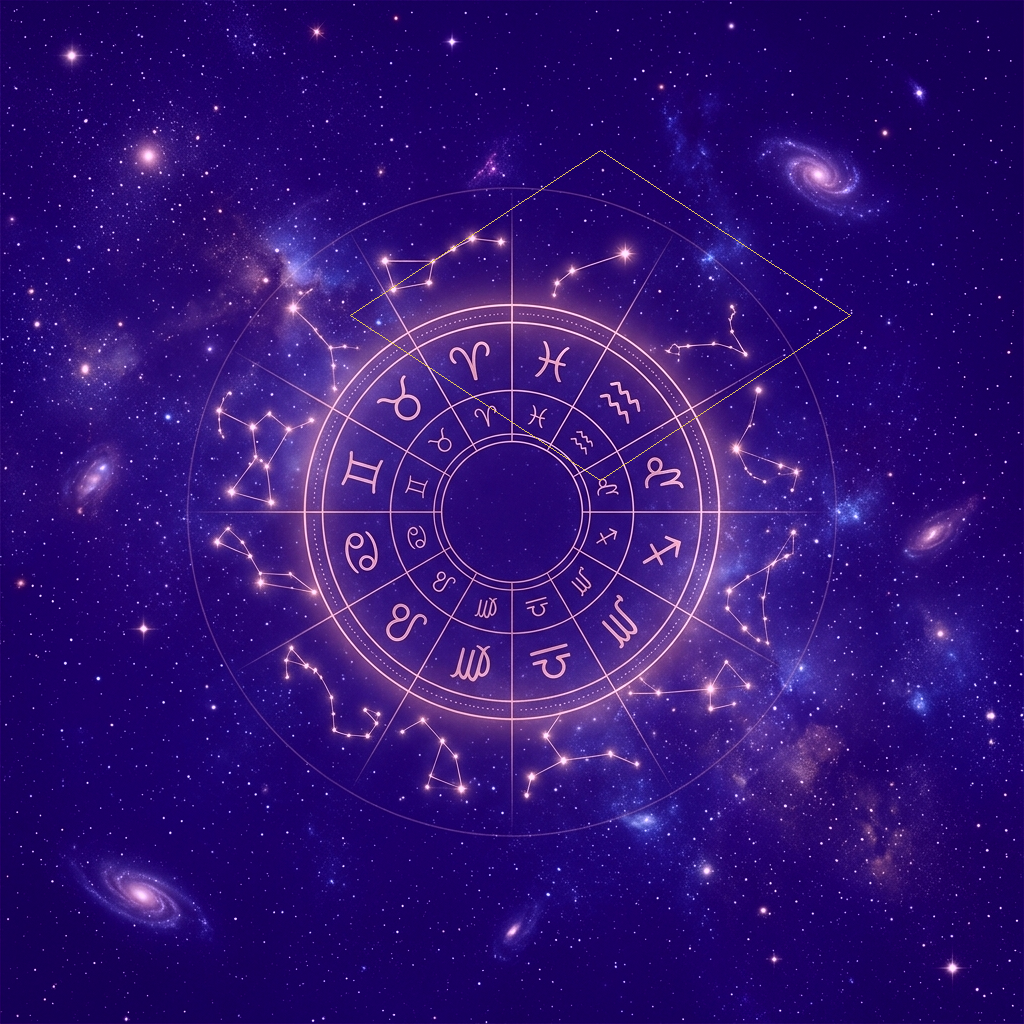
The second big idea involves the zodiac. The zodiac is a belt of sky divided into twelve equal sections. Each section is a zodiac sign. The signs are Aries, Taurus, Gemini, Cancer, Leo, Virgo, Libra, Scorpio, Sagittarius, Capricorn, Aquarius, and Pisces. When someone asks “What is your sign?” they usually mean your Sun sign. Thats the sign the Sun was passing through on your birthday. But theres way more to your chart than just your Sun sign.
Planets play a huge role too. Each planet represents a different part of your life. Mercury covers communication and thinking, venus rules love and money. Mars drives energy and ambition, jupiter brings luck and expansion. Saturn teaches discipline and responsibility. Uranus sparks rebellion and change, neptune handles dreams and illusions. Pluto governs transformation and power. The Moon, which moves fast and changes sign every two or three days, rules your emotions and inner world.
Astrology also uses twelve houses. Houses are like twelve different stages where the planetary action takes place. The first house deals with identity and appearance. The second covers money and values. The third handles communication and siblings, the fourth is home and family. The fifth covers creativity and romance. The sixth deals with health and work. The seventh rules partnerships. The eighth handles shared resources and transformation. The ninth covers travel and philosophy, the tenth is career and reputation. The eleventh covers friends and hopes. The twelfth deals with spirituality and hidden things.
Aspects matter too. Aspects are the angles planets make to each other in your chart. A conjunction means two planets are close together, blending their energy. A sextile or trine is easy and flowing. A square or opposition creates tension and challenge. Astrologers look at all these pieces together to paint a full picture.
Lots of people confuse astrology with astronomy. They’re not the same thing. Astronomy is the scientific study of space, stars, and planets. It deals with physics, orbits, and measurable data. Astrology uses those same celestial bodies but focuses on symbolic meaning and patterns. Think of it like the difference between studying the chemical composition of paint and stepping back to look at a painting. Both have value, but they answer different questions.
Does astrology actually work? That depends on who you ask. Some people treat it as a tool for self-reflection and personal growth. Others see it as pure entertainment. Studies have tried to test astrology scientifically, and the results are mixed at best. Critics point to the Barnum effect, where people believe vague statements apply specifically to them. But for millions of people worldwide, astrology offers insight, comfort, and a language for talking about life. You don’t have to believe it works in a literal way to find value in it.
There are different branches of astrology too. Western astrology, which this guide focuses on, uses the tropical zodiac based on the seasons. Vedic or Jyotish astrology comes from India and uses the sidereal zodiac based on actual constellations. Chinese astrology works on a twelve-year cycle tied to animals. Each system has its own rules and strengths. You can explore one or all of them.
Learning astrology takes time. Its a layered subject with a lot of symbols and rules. But you do not need to memorize everything overnight. Start with your own chart. Find out your Sun, Moon, and Rising signs. Read about their meanings. Notice if the descriptions feel true. Then add one planet at a time. Then look at houses, then aspects. Before you know it, you will be reading charts for your friends and family.
Astrology has exploded in popularity lately. Apps like Co-Star, The Pattern, and CHANI’ve brought it to a new generation. Social media feeds are full of astrological memes and advice. Theres even astrologers giving political and financial predictions. Whether you’re a skeptic or a true believer, astrology is having a cultural moment that is hard to ignore.
This guide is just the beginning. Each piece of the puzzle people mentioned here gets its own deep dive in other articles. Bookmark this page and come back as you explore. The cosmos is huge, and your journey through it’s just starting.
Frequently Asked Questions
Is astrology a science?
The truth is, No. Astrology is not considered a science because its claims can’t be tested or proven through the scientific method. It’s best described as a symbolic language or a divinatory practice.
Can astrology predict the future?
Astrology doesn’t predict the future in a concrete way. It identifies trends, themes, and potential energies. Think of it like a weather forecast for your emotions and experiences.
Does one needs the exact birth time for an accurate chart?
It helps a lot. Your Rising sign and house placements depend on your exact birth time and location. If you don’t know your time, you can still get a useful chart with just your Sun, Moon, and planet signs.
Why do some horoscopes feel wrong?
Horoscopes in magazines and apps are usually based on your Sun sign only. That covers only a tiny part of your chart. A personalized reading based on your full birth chart will feel much more accurate.
What is the difference between a horoscope and a birth chart?
A horoscope is a forecast or prediction usually based on current planetary movements. A birth chart is a fixed map of where the planets were when you were born. Your birth chart never changes.
Can two people have the same birth chart?
Yes, but it’s extremely rare. Twins born close together can have nearly identical charts. But even minor differences in birth time or location create unique variations.
Which zodiac system is more accurate?
Accuracy depends on what you’re looking for. Western tropical astrology works with seasons and is great for psychological insight. Vedic sidereal astrology uses the actual constellations and focuses more on destiny and karma.